
- Crop farming
- Corn
- Season 2026
Corn: half the crop protection rate without losing efficiency
A field trial with a specialised research institute: we checked whether the crop protection rate can be halved by adding BASK fertiliser to the tank mix.
- crop protection rate
- −50%
- without losing efficiency against weeds and diseases
- trial variants
- 4
- control, standard and two variants with BASK
- record plot
- 2 ha
- randomised layout
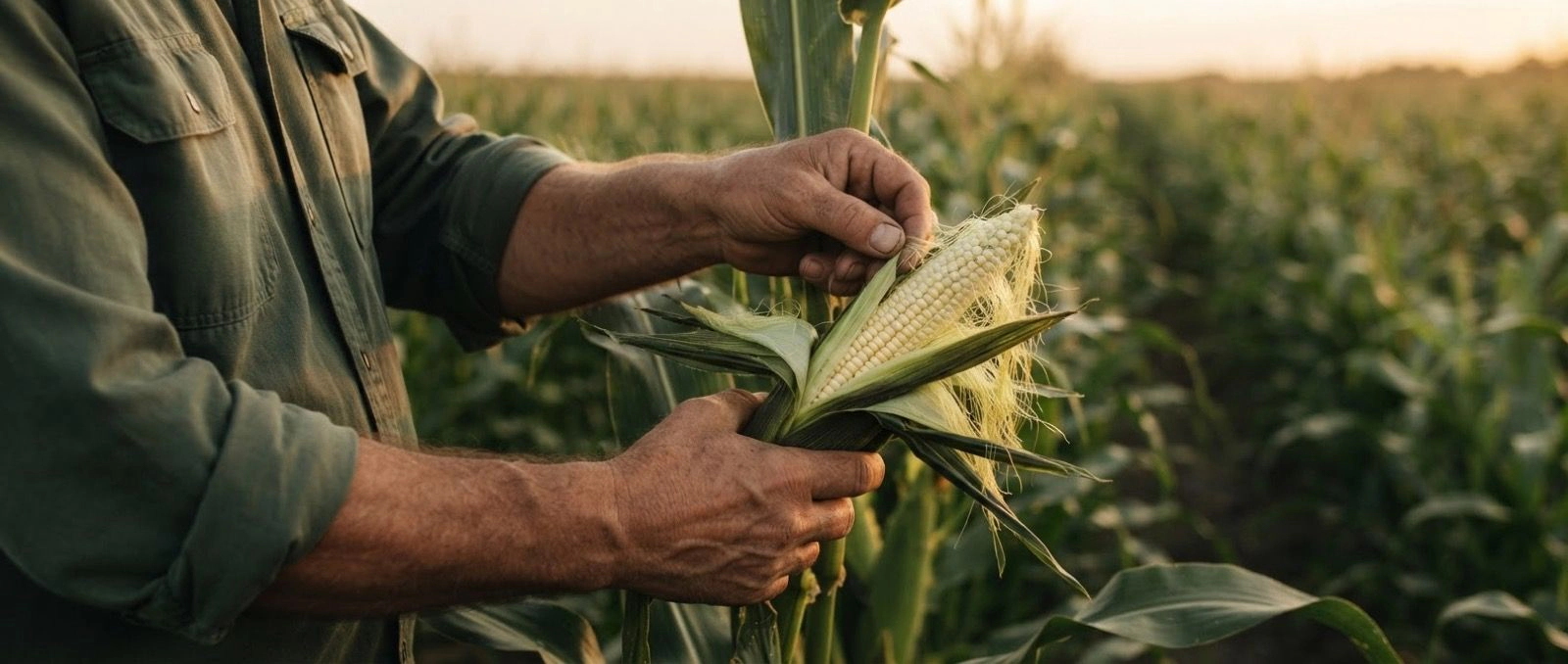
Trial passport
The conditions under which the result was obtained. The full report is in the documents below.
- Crop
- Corn
- Plots
- Record area 2 ha, randomised layout
- Region
- Sverdlovsk region
- Variants
- Control and standard — 100% crop protection; BASK + 100% crop protection; BASK + 50% crop protection — main
- Season
- 2026 · sown 22 May, seedlings treated 6 June
- Control
- Standard technology, full crop protection rate
- Trial
- Seed treatment with BASK fertiliser + tank mix with 50% crop protection
- Conducted by
- A specialised research institute together with a BASK agrobiotechnologist
- Document
- Field trial report
Trial objective
To assess how the fertiliser affects the growth, roots and vegetative mass of corn, and whether it can halve the pesticide load.

Germination and start
Assess the effect of seed treatment on field germination, germination energy and root development.

Working with crop protection
Test the fertiliser in a tank mix with herbicides and fungicides during the growing season.

Half the crop protection rate
Establish whether the crop protection rate can be cut by 50% without losing efficiency against weeds and diseases.
How the trial was run
All variants are on one field with the same agricultural background: ploughing, cultivation, basic NPK. Only the protection scheme and the fertiliser differed.
Control
- Seed treatment with water
- Full crop protection rate — 100%
- No BASK fertiliser
Trial
- Seed treatment with the fertiliser
- Half the crop protection rate — 50%
- BASK fertiliser in the tank mix
- Before sowing01
Seed treatment
The seeds were treated with the fertiliser before sowing.
- 22 May02
Sowing
Sowing on 2 ha plots with the same agricultural practices in all variants.
- 6 June03
Seedling treatment
BASK fertiliser in a tank mix with a herbicide and an adjuvant, crop protection — 50%.
- During the season04
Assessment
Assessment of roots, chlorophyll, weed infestation, diseases and soil activity.
Results
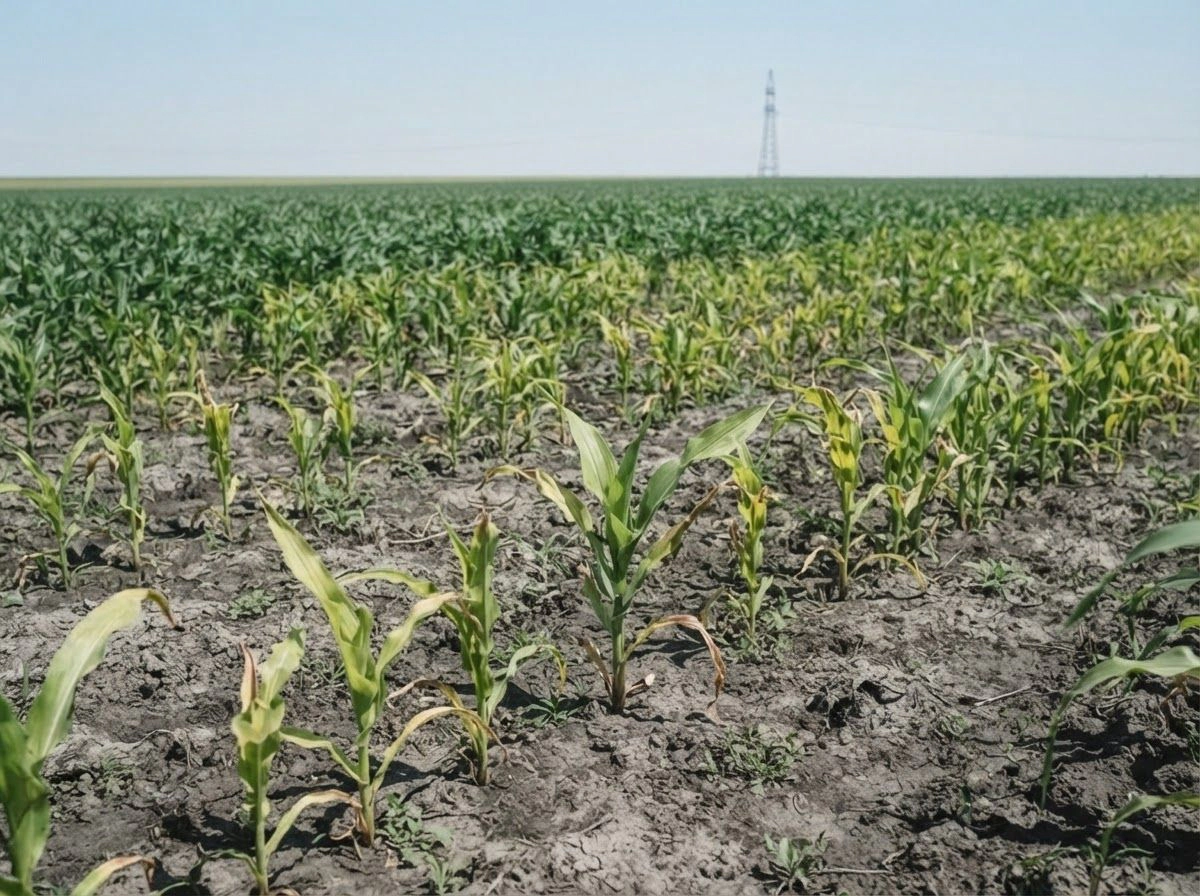
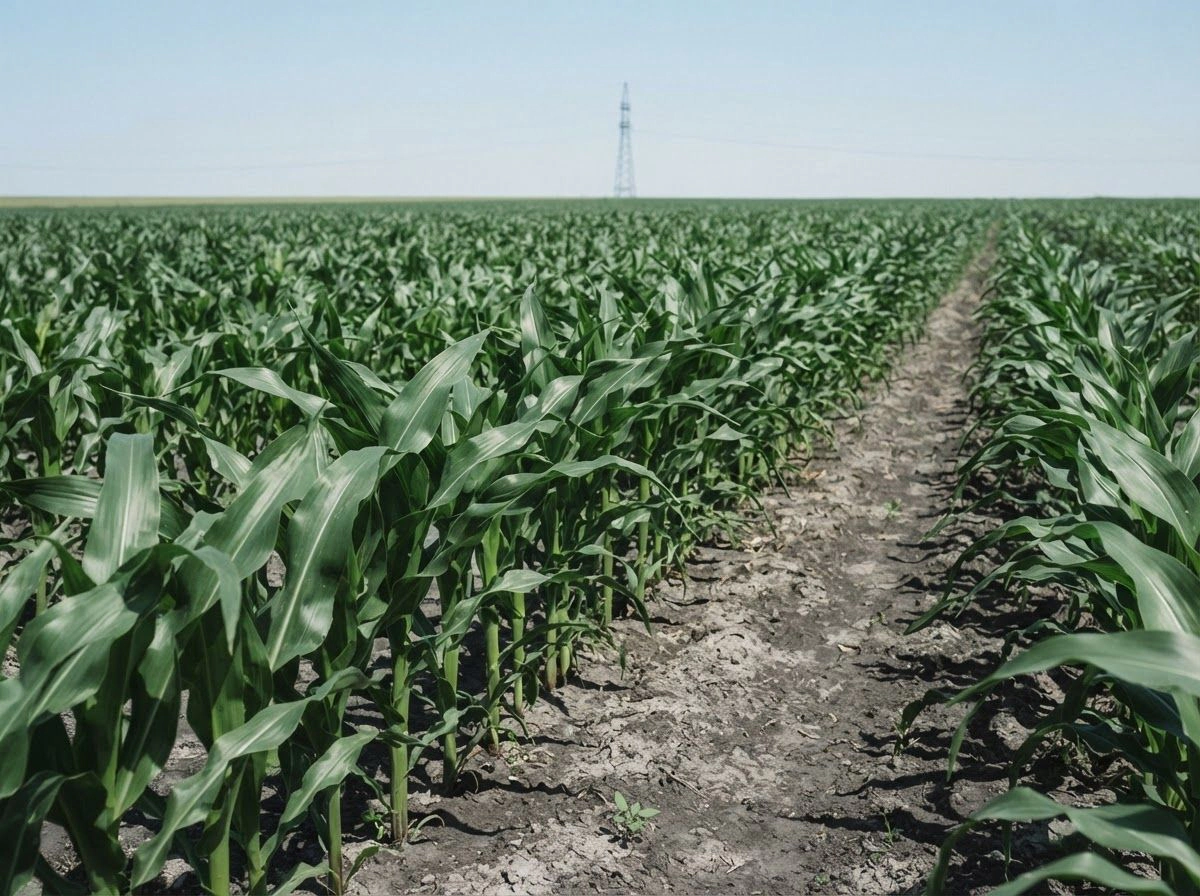
The main variant (50% crop protection + BASK) compared with the full crop protection rate without the fertiliser.
| Indicator | 100% crop protection | 50% crop protection + BASK |
|---|---|---|
| Root system | Baseline | Stronger |
| Chlorophyll index | Baseline | Higher |
| Weed infestation | At control level | Low |
| Diseases | At control level | Not detected |
| Herbicide breakdown in soil | Baseline | Faster |
| Soil microbial activity | Lower | Higher |
Assessment based on the condition of plants and soil. Quantitative yield measurements are not given in the report.
Why it worked
The fertiliser reduced the chemical load on the plant and the soil — which is why half the crop protection rate was enough.
- 01
Phosphorus became more available
Humic acids released phosphorus from poorly soluble compounds — the roots developed more strongly.
- 02
Less chemical stress
Humates bind toxins and relieve plant stress after treatments.
- 03
Crop protection works better
At half the rate, weed infestation and diseases are lower than at the full rate — a synergy effect.
- 04
The soil cleans up faster
The herbicide breaks down in the soil faster, and microbial activity is higher.
Conclusions
The crop protection rate was halved without losing efficiency against weeds and diseases
Stronger roots and a higher chlorophyll index than at the full crop protection rate
The herbicide breaks down faster in the soil, and microbial activity is higher
Recommended: include the fertiliser in tank mixes with half the crop protection rate
The result was obtained in a 2026 field trial on 2 ha plots. Yield measurements are not given in the report. We design a scheme for your farm separately.
Other cases
All cases
Let's test the result on your farm
We apply the solution to part of a field, herd or waste volume and compare it with a control. You decide on adoption after the result.
- 01
We discuss the task
We choose the indicators we will compare.
- 02
We set up the trial
A specialist visits you and sets aside trial and control groups — in the field, on the farm or at the site.
- 03
We take measurements
We record the indicators throughout the season or cycle.
- 04
We sum up
We hand over a report and an application scheme for your farm.
What you get
Results in your conditions
On your field, herd or site
A report compared with the control
Figures you can show to management
An application scheme for your farm
Rates, method and frequency of application
Or call us: +7 (343) 287-99-97 · we will agree on terms and timing on the first call